House Clearance Belmont: Recycling & Sustainability Commitment
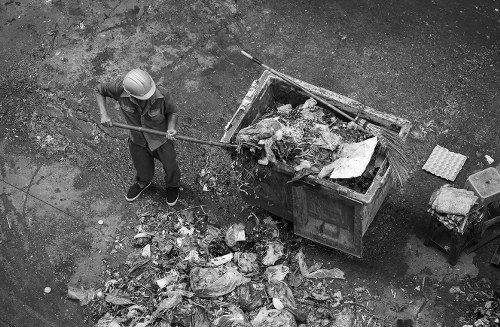
House Clearance Belmont is committed to creating an eco-friendly waste disposal area and a truly sustainable rubbish area for the community. Our Belmont house clearance teams focus on maximising reuse, recycling, and responsible disposal while respecting local borough policies on waste separation. We actively work to reduce landfill-bound waste by sorting materials at source, diverting usable items to reuse channels, and processing recyclable fractions through authorised routes.
 Our approach combines careful on-site segregation with off-site processing, ensuring that bulky household items, textiles, electronics and garden waste are handled in the most environmentally sound way possible. The goal of our clearance Belmont operation is to treat every property as an opportunity to salvage materials, partner with other organisations, and demonstrate practical low-carbon waste management that aligns with borough recycling schemes and separation guidelines.
Recycling Percentage Target & Practical Measures
We have set a clear recycling percentage target: a minimum of 85% reuse or recycling of materials recovered during each house clearance, with an aspirational target of 90% for low-complexity clearances. This target covers items diverted to charity reuse, materials sent to municipal recycling facilities, and components processed at specialist reprocessors. To reach these targets we track tonnages by material type, maintain detailed manifests and work with local transfer stations to ensure transparent outcomes.
 Our data-driven target is backed by practical actions: pre-clearance audits to identify reusable items, on-site separation for wood, metal, glass, paper/cardboard, WEEE (waste electrical and electronic equipment), and textiles, and prioritising repair, donation and resale over recycling where appropriate. We understand the boroughs' emphasis on source-separation, so our teams follow recommended streams and label collections to match local council guidance.
Local Transfer Stations and Sustainable Processing
We routinely use authorised local transfer stations and materials recovery facilities (MRFs) that operate under strict environmental permits. Typical partners include the Belmont Transfer Station and neighbouring borough transfer facilities that accept separated loads for onward processing. These transfer stations help consolidate collections, reduce local truck miles, and ensure recyclable fractions reach specialist recyclers for metal recovery, timber processing and WEEE refurbishment.
To support circular economy outcomes we prioritise routes that maximise material recovery and reduce double-handling. Examples of commonly recycled streams in the area include:
- Textiles and clothing sorted for charity resale or fabric recycling.
- WEEE — appliances and electronics assessed for refurbishment or safe material recovery.
- Bulky furniture and timber routed to reuse centres or chipped for biomass/wood reprocessing where reuse isn't viable.
- Metals and glass separated for high-value recycling.
Partnerships with Charities and Social Reuse
Strong relationships with local charities are central to our sustainability model. We work with national and local not-for-profits — for example charity shops, community reuse networks and furniture redistribution schemes — to give items a second life. These partnerships reduce waste, support community causes and keep reusable goods circulating locally rather than being processed as low-value waste.
Key collaboration pathways include donation sorting hubs, regular charity collections, and direct handovers to social enterprises that refurbish items for affordable resale. By creating predictable donation streams we enable charities to plan, promote reuse and keep more material in productive use.
Low-Carbon Fleet & Operations
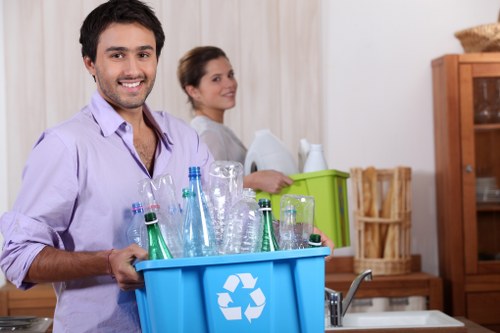
Reducing transport emissions is essential for a low-impact House Clearance Belmont service. Our fleet includes low-carbon vans — electric vans, plug-in hybrids and efficient Euro-6 diesel vehicles used where charging infrastructure is limited. We deploy route optimisation software to reduce miles and consolidate pickups, and where appropriate use cargo e-bikes and smaller electric vehicles for inner-borough collections to cut congestion and emissions.
Operational measures include scheduled consolidation trips to transfer stations, driver training for eco-driving, and regular fleet maintenance to ensure efficiency. These steps lower carbon per tonne of waste moved and complement our broader strategy to create a sustainable rubbish area for Belmont residents.
Transparency, Monitoring and Community Benefits
We publish anonymised recovery figures for each clearance and maintain clear records to show progress against our recycling percentage target. Our commitment extends to community engagement: we support local reuse events, provide clear advice on separating materials according to borough guidance, and encourage householders to choose sustainable options during clearances.
By combining measurable targets, local transfer station partnerships, charity reuse routes, and a low-carbon fleet, Belmont clearance services can deliver a practical, responsible alternative to standard waste disposal. Whether managing an estate, downsizing or clearing after long occupation, our sustainable approach reduces environmental impact while contributing positively to the local circular economy.
Final note: our house clearance in Belmont aims to set a high standard for an eco-conscious, transparent and efficient service that prioritises reuse, recycling and minimal carbon impact.
We continuously review targets, deepen charity partnerships and upgrade our low-carbon vans to ensure clearance Belmont operations remain aligned with best practice for a greener future.